The crisis of child and human trafficking is no longer a distant or abstract issue—it is a rapidly expanding, deeply embedded criminal enterprise impacting communities across the United States. Often described as modern-day slavery, human trafficking is one of the fastest-growing criminal industries in the world, generating billions of dollars while exploiting the most vulnerable among us.
In the United States alone, the numbers are staggering. Estimates suggest that hundreds of thousands—if not more—are at risk of trafficking, with children representing a significant and deeply concerning portion of that population. Each year, thousands of cases are reported, involving victims trapped in sex trafficking and forced labor, many of them minors.
Globally, trafficking disproportionately targets the vulnerable—runaway youth, children in unstable homes, migrants, and individuals facing economic hardship or emotional distress. What is particularly alarming is the rising percentage of child victims, underscoring how aggressively traffickers prey on those least able to protect themselves.
While debates continue around global rankings, one reality is clear: the United States remains a major destination for human trafficking due to demand, accessibility, and sophisticated criminal networks. The United Kingdom faces similar challenges, with increasing reports and expanding trafficking operations. This is not a problem confined to distant countries—it is deeply rooted within Western societies, including our own.
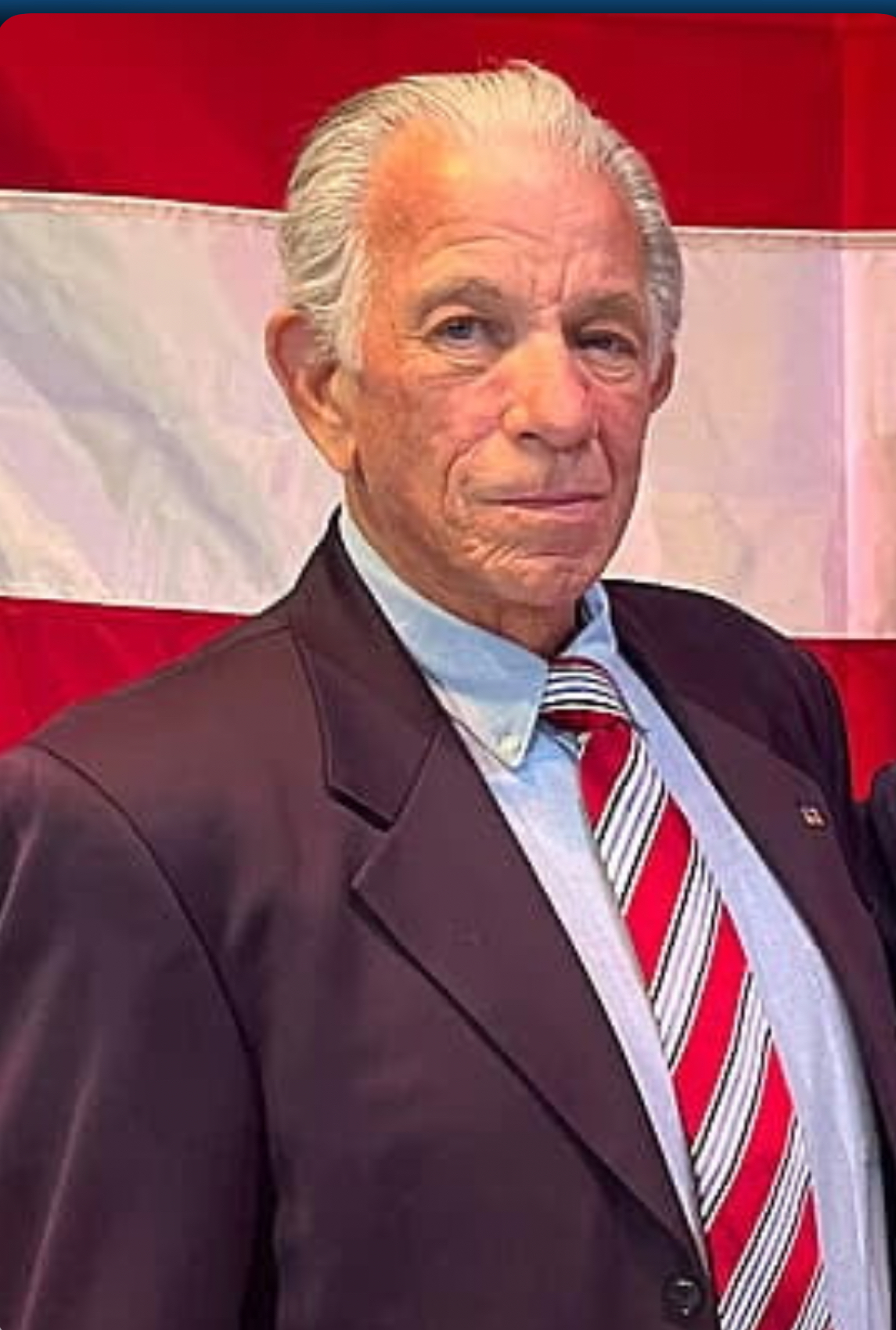
This growing crisis was the focus of yesterday’s powerful meeting, where counter-terrorism and threat awareness expert David Grossman delivered a sobering message: trafficking is not just a criminal issue—it reflects a broader failure to protect the innocent. He outlined how organized networks operate in plain sight, using technology, social media, and psychological manipulation to recruit, groom, and control victims—often without immediate detection.
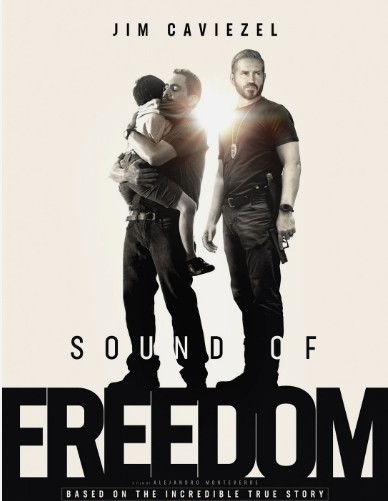
As part of the presentation, attendees were introduced to the film Sound of Freedom. It is critical to understand that this film is not simply a fictional drama. It is based on a true story, inspired by real events and real efforts to rescue children from trafficking. While certain elements are dramatized for storytelling purposes, the core narrative reflects actual operations and the very real horrors faced by victims. The film serves as a powerful tool for awareness, reminding viewers that behind every statistic is a human life—often a child—whose freedom has been stolen.
Perhaps the most unsettling takeaway from the meeting was this: trafficking does not require crossing borders. It happens within our own communities, neighborhoods, and increasingly through online platforms where children are targeted, groomed, and exploited. This is not someone else’s problem—it is happening here, and it demands our attention.
Addressing this crisis requires more than awareness. It requires vigilance, community involvement, and a willingness to confront uncomfortable truths. Parents, educators, and community leaders must become informed, recognize the warning signs, and take action before exploitation occurs.
This is why our work continues.
We invite the public to join us for Part II of our ongoing focus on human trafficking on June 1, 2026 at 6:00 PM. Mark your calendar. We are honored to welcome Marry Flynn O’Neill, Executive Director of America’s Future, who will speak about their organization’s work helping children who have been rescued from trafficking—offering insight into the recovery process, the challenges these children face, and the critical support systems needed to help them rebuild their lives.
The fight against human trafficking begins with awareness—but it must not end there.
Watch David Grossman’s speech HERE.
Watch the trailer for Sound of Freedom HERE.