
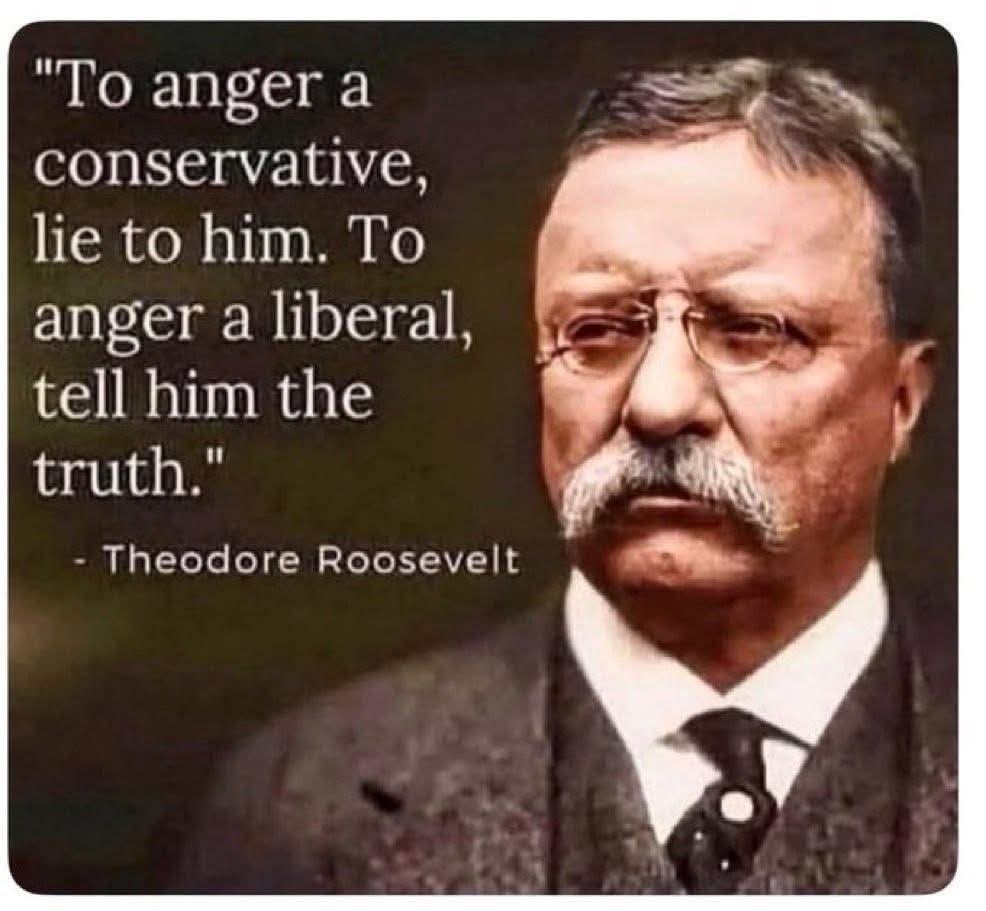
There’s a predictable pattern that emerges whenever politicians are confronted with uncomfortable facts: instead of addressing the substance, they attack the speaker. One of their favorite tools is the accusation of slander—a word they deploy quickly, loudly, and often inaccurately.
Let’s be clear about what slander actually means. By definition, it is “the act of knowingly making a false statement about someone to ruin his or her reputation.” That definition matters, because it sets a high bar: the statement must be false, and the person making it must know it is false.
But here’s where the tactic becomes revealing.
Critics who present documented evidence, firsthand accounts, or verifiable facts are not committing slander. They are engaging in scrutiny—the very thing a free society depends on. Yet, politicians with inflated self-images often blur this line intentionally. They label any criticism as “slander” not because it meets the definition, but because the accusation itself can intimidate, distract, and discredit.
It’s Not A Legal Argument—It’s A Psychological Maneuver.
These same politicians will often escalate the tactic by threatening lawsuits, claiming they are victims of slander. The threat alone can be enough to silence critics, drain resources, or create fear around speaking out. But in many cases, this posture is backwards—the individuals claiming victimhood are, in reality, the aggressors attempting to suppress scrutiny and accountability.
This is where the strategy turns into a form of reverse psychology. By loudly accusing others of slander, they attempt to flip the narrative. They position themselves as victims while shifting attention away from the original issue. Voters are left sorting through noise instead of focusing on facts.
Ironically, in many cases, the same individuals making these accusations engage in behavior that more closely resembles actual slander—spreading misleading or false claims about their opponents to damage reputations. The accusation becomes a projection: accuse first, deflect second, and hope the public doesn’t look too closely.
The Goal Is Simple—Control the Narrative.
For voters, the takeaway should be equally simple: don’t be distracted by the accusation alone. Ask the critical questions. Is the original claim backed by evidence? Is it verifiable? Or is the response purely emotional and accusatory, designed to shut down discussion?
Truth doesn’t require intimidation to stand. It requires transparency.
When “slander” becomes a reflexive defense rather than a legitimate claim, it stops being about protecting reputation and starts being about avoiding accountability. And in a functioning republic, accountability is not optional—it’s essential.
Food for Thought: If you want to know if you hit a nerve, just tell the truth and watch how people react. In most cases, it is as Jack Nicholson’s character in A Few Good Men said, “You can’t handle the truth!”
by Anonymous Writer