
When people think about high gas prices, they often think about the pain at the pump for commuters, families, and small businesses, but there are at least two another groups of people who are feeling the impact every day, and those are the thousands of independent drivers who rely on platforms like Uber and Lyft to earn a living and then there are the riders.
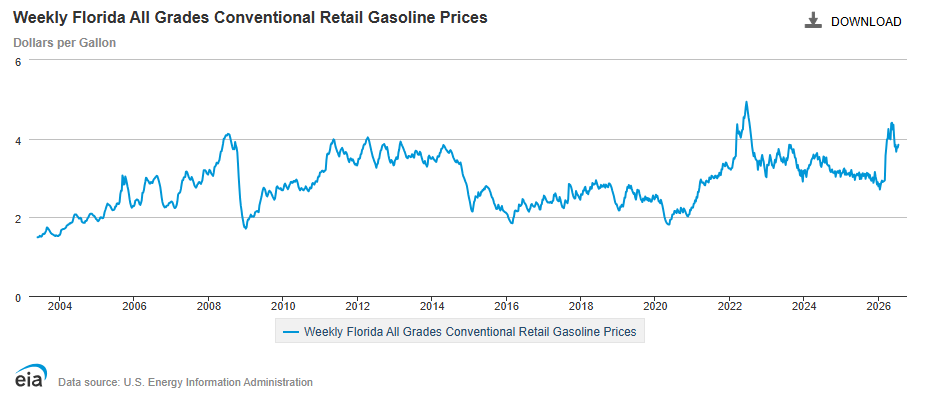
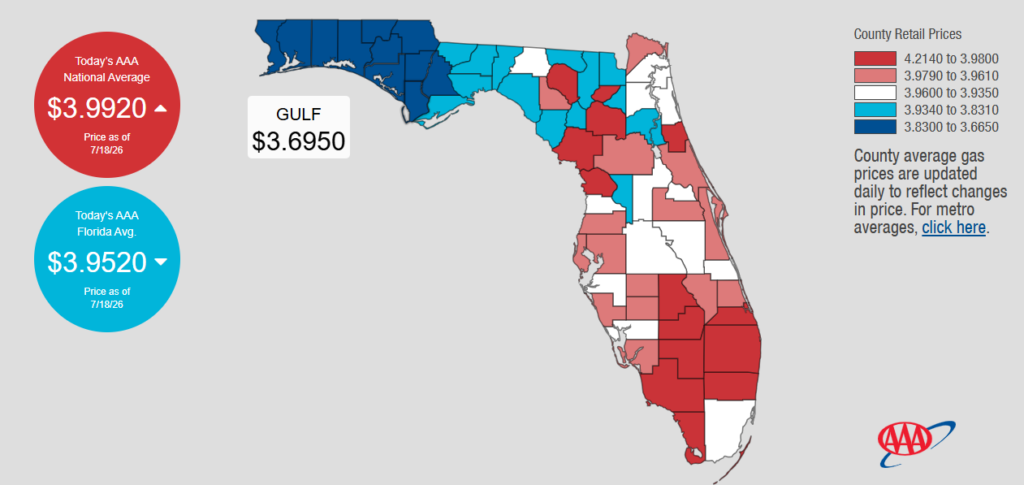
In this blog, let’s discuss the effects of high gas prices relative to paid fares. For many rideshare drivers, gas is not just a household expense. It’s one of their largest business costs. While drivers, who are independent 1099 contractors, can write off on their tax returns their expenses for gas, oil changes, tires, and other vehicle maintenance costs, it doesn’t do much for them right now when they have to pay almost double what they used to pay. It makes a huge difference for the driver that they now pay typically – and of course, it depends on the vehicle they drive – between $40 and $65 to fill up their tank versus when they used to pay between $30 and $40 for a full tank of gas.
Unlike traditional employees who receive a company vehicle or mileage reimbursement, Uber and Lyft drivers are responsible for all the expenses associated with operating their vehicles, including fuel, maintenance, insurance, repairs, tires, and depreciation. When gas prices rise, those additional costs come directly out of their earnings.
The Difference Between Gross Income and Real Income
A driver may look at their daily earnings and see that they made $200 in fares, but that number does not tell the whole story. After paying for gasoline, vehicle wear and tear, maintenance, insurance, and taxes, the driver’s actual take-home pay can be significantly lower. When fuel prices climb, drivers often find themselves working harder just to make the same amount of money they made before.
A ride that once provided a reasonable profit may no longer be worth accepting when the driver must factor in:
- The miles driven to pick up the passenger
- The miles driven after dropping the passenger off
- Time spent waiting between rides
- Increased fuel costs
- The long-term wear on their vehicle
This means that drivers are essentially forced to become selective with the rides they accept. It may not be worthwhile for them to accept long distances to for example airports, especially if the rider doesn’t tip well either.
Some Drivers Are Cutting Back or Leaving
For some rideshare drivers, and especially for those who are or have been doing it as a part-time gig, the numbers simply stop making sense. Many have responded to higher fuel costs by simply driving fewer hours, only accepting the most profitable trips, avoiding long-distance rides, cancelling on teen riders because they are notoriously bad tippers, limiting driving to peak demand times, and looking for other employment opportunities altogether.
The challenge is that rideshare drivers cannot simply raise their own prices to cover increased costs. They depend on the rates and incentives offered by the companies and the demand from passengers. A major factor is also that the rates offered by these companies have dropped over the years. The split between the companies and the drivers, where the companies take an increasingly larger share, makes drivers find other work. It’s simply not worth it anymore.
What would help keep drivers from seeking other earning opportunities would be if companies like Uber and Lyft would increase the rates for the drivers, who at this point often only make about 45% of the cost of the ride that the rider pays.
When expenses rise faster than earnings, some drivers decide that the flexibility of gig work is no longer worth the financial strain.
Fewer Drivers Can Mean Higher Costs for Everyone
The problem with high gas prices doesn’t just affect the drivers. When drivers leave the rideshare industry, passengers can feel the effects directly. A smaller pool of available drivers is already in some areas leading to longer wait times often, higher fares during busy periods, and reduced availability in certain areas.
In Charlotte County riders report that sometimes they have to wait up to double the time they used to have to wait for a ride. Some report that the cost of the rides have increased, which is curious since the earnings for the drivers have not increased.
This creates a ripple effect throughout the transportation system. What begins as a rise in fuel prices can eventually impact consumers who rely on rideshare services for work, travel, medical appointments, and daily transportation.
Considering that this country in most places are not known for having even remotely good and reliable public transportation, Uber and Lyft rides are essential needs for many people who do not have driver’s licenses or cannot afford owning their own vehicle to use for work, etc. If people who depend on share-rides transportation suddenly cannot get to work because the cost of rides or the availability of rides is no longer there, it may result in loss of jobs and income, which starts a whole new problem.
Energy Prices Affect More Than Just the Gas Pump
The debate over energy prices is often framed around how much people pay when they fill up their vehicles. But the impact goes much deeper, as higher fuel costs affect a broad range of services, such as delivery drivers, small businesses, farmers, contractors, and as I said consumers who depend on transportation services. It also has an impact on students who depend on shareride transportation to get to school and college.
Let’s face it; every additional dollar spent on fuel is money that cannot be spent elsewhere. For independent workers, especially those who use their vehicles to earn a living, stable and affordable energy costs can make the difference between a profitable business and one that is no longer sustainable.
What Can Riders Do to Help?
Riders can make a huge difference in keeping the ball rolling getting their Uber or Lyft rides simply by making sure they always tip $3 to $5 at minimum on short rides and more on longer rides. It helps the drivers tremendously with gas money and the rising cost of vehicle maintenance and insurance the drivers are required to maintain, and it keeps the drivers from seeking other work opportunities.
Drivers work on full commission. There is no base hourly pay. There is no benefits offered with these jobs. There is no monthly expense account. All expenses can be filed as a tax write-off once a year but that does not help the drivers right away. Drivers do not get paid extra for overtime or driving in the middle of the night. They offer a service to you, the rider, taking time away from their family and creating work for themselves. This is the reason you should always tip the driver.
In most of Florida where the bus system is either extremely limited or nonexistent, Uber and Lyft drivers are essential workers, and you are going to want to keep them driving around at all times of the day and night.
The Bottom Line
Uber and Lyft drivers are a reminder that gas prices do not just affect drivers on their way to work — they affect people whose work depends on driving.
When fuel costs rise, the consequences can spread throughout the economy, impacting workers, businesses, and consumers alike. For many rideshare drivers, the question is no longer simply, “How much did I earn today?” The real question has become: “After paying all my expenses, was it worth it?”
As riders, make sure you make it worth it because you want the Uber driver out there when you need a ride, so tip them.
Follow us on Facebook and subscribe to our YouTube channel @wethepeoplecc
By Karina Schmitt, Senior Blog Contributor and WtP Podcast Host