Across the country, a growing grassroots movement is pushing back against what many Americans see as a dangerous combination of elitism, political corruption, government overreach, and the steady erosion of constitutional values. Citizens are increasingly frustrated with career politicians, dark money influence, rising taxes, weakening local control, and institutions that appear more interested in protecting power than serving the people.
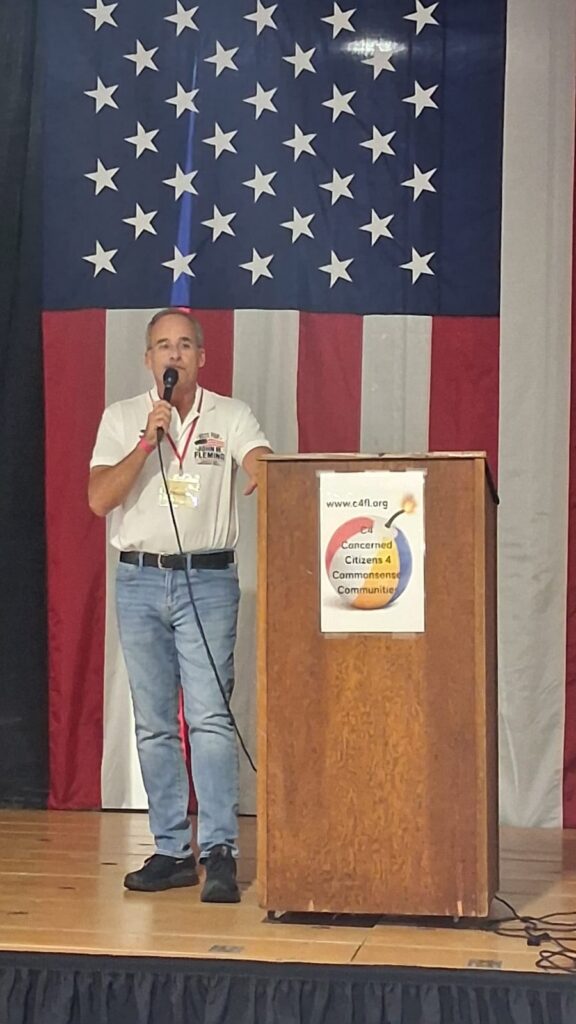
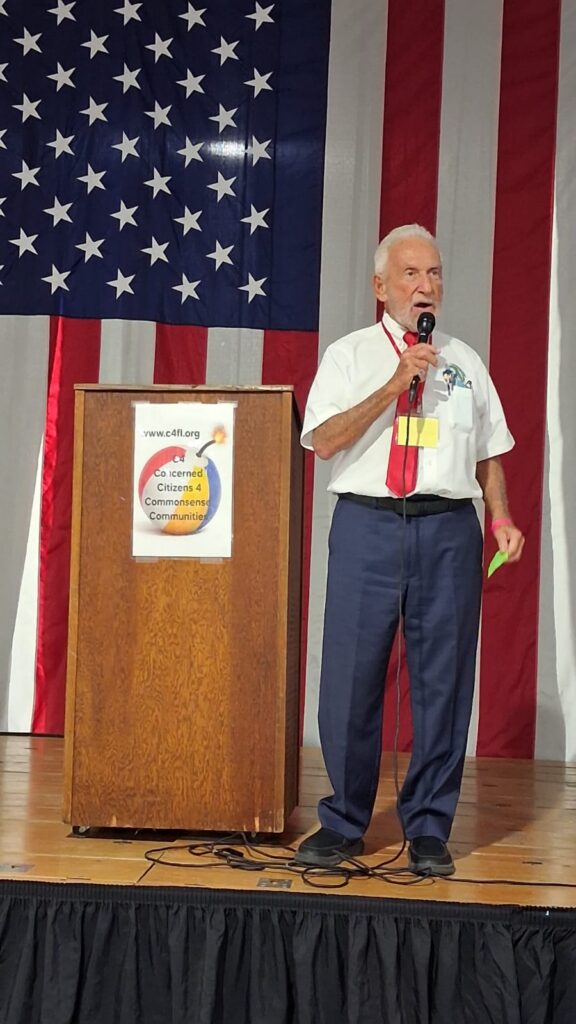
Among the local Charlotte County speakers at today’s Grassroots Rising event were Candidate for Commissioner John Fleming and Incumbent Stephen R. Deutsch. Other local speakers included Conservative Environmental activist Tim Ritchie and former Candidate for Charlotte County Supervisor of Elections (2024) David Kalin, Jr.
During the almost five-hour event, speakers from around the state of Florida, such as Matt The Welder a.k.a. Matt Taylor, Chris Gleason, and Bobby Williams, spoke about critical topics that heavily have an impact on our everyday life.
One of the strongest themes emerging from these discussions is the call for term limits. Many voters believe that when politicians remain in office for decades, they accumulate too much influence, become disconnected from everyday Americans, and eventually prioritize political survival over public service. Grassroots activists argue that government was never intended to become a permanent career path, but rather a temporary responsibility entrusted to citizens willing to serve their communities.
Another issue fueling public outrage is the growing rejection of radical gender ideology and divisive identity politics in schools and public institutions. Many parents feel their voices have been ignored while controversial social policies are introduced into classrooms and children are exposed to concepts they believe should remain within the family sphere. Grassroots conservatives argue that protecting children, preserving parental rights, and restoring traditional values should once again become priorities in education and government policy.
At the same time, distrust of political funding continues to intensify. Voters increasingly question the influence of wealthy donors, political action committees, corporate lobbyists, and outside organizations pouring money into local and national races. Many believe elections are being shaped less by ordinary citizens and more by powerful financial interests operating behind the scenes. As a result, there are growing calls for voters to conduct their own due diligence, investigate campaign donors, and carefully examine who truly benefits from political alliances and financial backing.
The movement also reflects a broader desire to return to the principles of “We the People.” Activists argue that too many Americans have become disconnected from civic engagement while relying on political institutions to solve every problem. Instead, many grassroots organizers encourage citizens to become directly involved in their communities, support local activism, hold elected officials accountable, and use social media and alternative platforms to educate and mobilize voters — especially younger generations.
Economic frustration is another major driver behind the movement. Rising property taxes, insurance costs, inflation, and housing insecurity have left many Americans feeling financially trapped despite working hard their entire lives. Critics argue that property taxes effectively reduce true ownership, forcing citizens into a system where they continually “rent” their homes from the government under threat of losing them if taxes cannot be paid. Others point to the insurance industry as an example of a system many believe profits heavily while failing consumers when they need help the most.
Election integrity has also become a central concern among many activists. Questions surrounding ballot handling, foreign influence, political favoritism, and public trust in election systems continue to dominate political conversations nationwide. Grassroots groups argue that transparency, accountability, and public oversight are essential if confidence in elections is ever to be fully restored.
Underlying all of these concerns is a growing resistance to collectivism, centralized control, and what many see as back-room political dealing between establishment figures, wealthy interests, and government insiders. The grassroots movement increasingly frames itself as a battle between ordinary citizens and entrenched political elites who have become insulated from the realities facing working Americans.
Whether discussing taxes, education, election integrity, constitutional rights, or local government corruption, the message from many grassroots activists is becoming unmistakably clear: Americans are tired of feeling ignored, manipulated, and financially burdened while political insiders continue consolidating power.
The renewed push for civic engagement reflects more than frustration alone. It represents a growing determination among citizens who believe the solution lies not in silence or apathy, but in rebuilding communities, staying informed, demanding accountability, and reclaiming the foundational principle that government exists to serve the people — not rule over them.
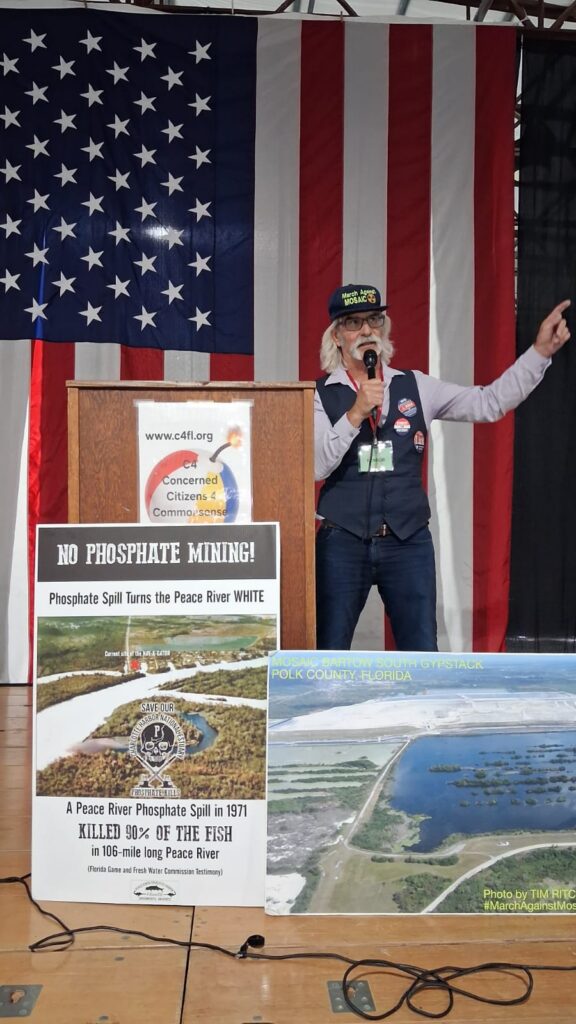
I like to play “What’s Wrong with this Picture”. Unable to bring in the big developer campaign dollars like he did in 2022, ( see the many thousands donated by Allegiant Airlines, Allegiant Travel and key executives. See also Babcock Ranch and key executives. Deutsch reinvents himself as a grassroots man of the people. Then there is the new found “love” by Phosphate, Anti-Mosaic Czar Tim Richie for the Republicans and specifically Deutsch, ignoring the $500. to Deutsch from Mosaic’s political action org in 2014and later the $2400. gift from Mosaic Co. to the Charlotte County Republican Executive Committee .at a time the County was suing Mosaic in 2010.
DEUTSCH’s Contribution from FL Phosphate Political Action Committee May 8, 2014
https://www.voterfocus.com/CampaignFinance/candidate_pr.php?op=rp&e=19&c=charlotte&ca=396&sdc=246&rellevel=4&dhc=1946&committee=N
https://www.voterfocus.com/CampaignFinance/pdf_charlotte/e15c205_Q1_dhc970sdc148.pdf
Ted Ehmann, author
https://www.amazon.com/Boom-Bust-Bone-Valley-Ecological/dp/1947660551/ref=sr_1_3?crid=37DIV9DLOWMAU&dib=eyJ2IjoiMSJ9.BrGzfBfEMHRmDuurgkmtUKsyZ7RikgXMpfoM-ojDfQHZJ9NSGFmDBXGOLoSWKDpSA2HDke4nM_dl_W1nAyLQpEzWma6FpQB0lD-PvsPPV68.hYsi4YghqMtTF0z7QTJIUp8plA-d7x-weKO62XCMJmI&dib_tag=se&keywords=Ted+Ehmann&qid=1779022386&s=books&sprefix=ted+ehmann%2Cstripbooks%2C170&sr=1-3