
Domestic violence is one of the most devastating crimes in our society, yet it remains one of the most misunderstood and underreported. Behind closed doors, countless victims endure physical violence, emotional abuse, psychological manipulation, financial control, sexual abuse, intimidation, and threats—often for years before anyone knows what is happening.
For many people, the question is simple: “Why doesn’t the victim just leave?”
The reality is far more complicated.
Leaving an abusive relationship is often the most dangerous time for a victim. Abusers frequently escalate their violence when they sense they are losing control. Victims may fear being killed, losing custody of their children, becoming homeless, or facing financial ruin. Many have been isolated from family and friends, manipulated into believing they are worthless, or convinced that no one will believe them.
Domestic abuse is not simply about physical violence. It is about power and control.
The Hidden Numbers
Domestic violence is widely recognized as being significantly underreported. Many victims never contact law enforcement because they fear retaliation, believe nothing will change, worry about being judged, or have lost confidence that the system can protect them.
Others have called for help before—only to feel dismissed or unsupported.
This creates a dangerous cycle where abuse continues in silence while communities remain unaware of how widespread the problem truly is.
The Challenge Facing Law Enforcement
Law enforcement officers face incredibly difficult situations when responding to domestic violence calls. They often arrive after emotions have escalated, evidence may be limited, and victims may be frightened, conflicted, or unwilling to cooperate.
Some officers become frustrated after repeatedly responding to the same household, believing that their efforts make little difference because the victim eventually returns to the abuser.
While that frustration may be understandable, it should never become indifference.
Returning to an abusive partner is not evidence that the abuse did not occur. Instead, it often reflects the enormous psychological, emotional, financial, and safety barriers victims face. Trauma bonding, fear, coercive control, concern for children, lack of resources, and threats from the abuser can make leaving extraordinarily difficult.
These realities underscore the importance of continued education and specialized training for law enforcement. A trauma-informed response can help officers recognize the complex dynamics of abuse, communicate more effectively with victims, connect them with appropriate community resources, and build trust that may ultimately save lives.
Education Saves Lives
Communities must also become better educated. Family members, friends, neighbors, employers, churches, schools, healthcare providers, and law enforcement all play an important role in recognizing the warning signs of abuse and responding appropriately.
Victims do not need criticism. They need compassion. They need information. They need resources. Most importantly, they need to know they are not alone.
No one should ever be made to feel ashamed for staying, nor should they be judged for the difficult decisions they must make while trying to survive. Instead, we should ask a different question:
“What can we do to help make it safe for them to leave?” That shift in perspective can make all the difference.
Breaking the Silence
Domestic violence thrives in secrecy. The more we educate ourselves, openly discuss these issues, and support victims without judgment, the more lives we can help protect.
Every victim deserves to live without fear. Every child deserves to grow up in a safe home. Every survivor deserves the opportunity to heal.
If you or someone you know is experiencing domestic abuse, know that help is available. Reaching out for support is not a sign of weakness. It’s often the first courageous step toward safety and recovery.
Watch Our Special Podcast Series
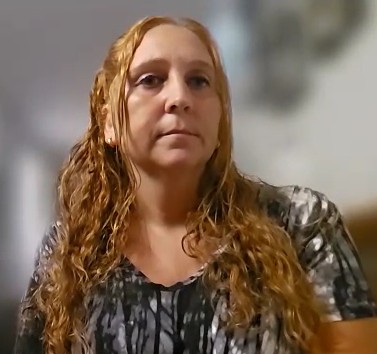
The We the People Podcast recently had the privilege of welcoming Tiffany Fisher, founder of Aunt Tiff’s Place in Port Charlotte, Florida, a survivor of domestic abuse and violence who now dedicates her life to helping others escape abusive situations and begin the healing process. We would like to thank Tiffany for taking the time to discuss this very difficult topic, and for some a taboo topic.
During our three-part podcast series, Tiffany courageously shares her personal journey, discusses the realities of domestic violence, explains why victims often remain in abusive relationships, and offers hope and practical guidance for survivors and their families.
These conversations are powerful, educational, and deeply moving. We encourage everyone to watch all three episodes and share them with friends and family. Greater awareness can save lives.
To Tiffany Fisher, thank you for your courage, your honesty, and your unwavering commitment to helping others. Your willingness to tell your story and advocate for survivors is making a meaningful difference in our community and beyond.
Click the links to watch the episodes.
Part 1 with Tiffany Fisher – her own story
Part 2 with Tiffany Fisher – awareness of how the system fails the victims
Part 3 with Tiffany Fisher – Rising Numbers, Inadequate Resources and Government Lack of Focus (live on 7/30/26 at 4PM)