
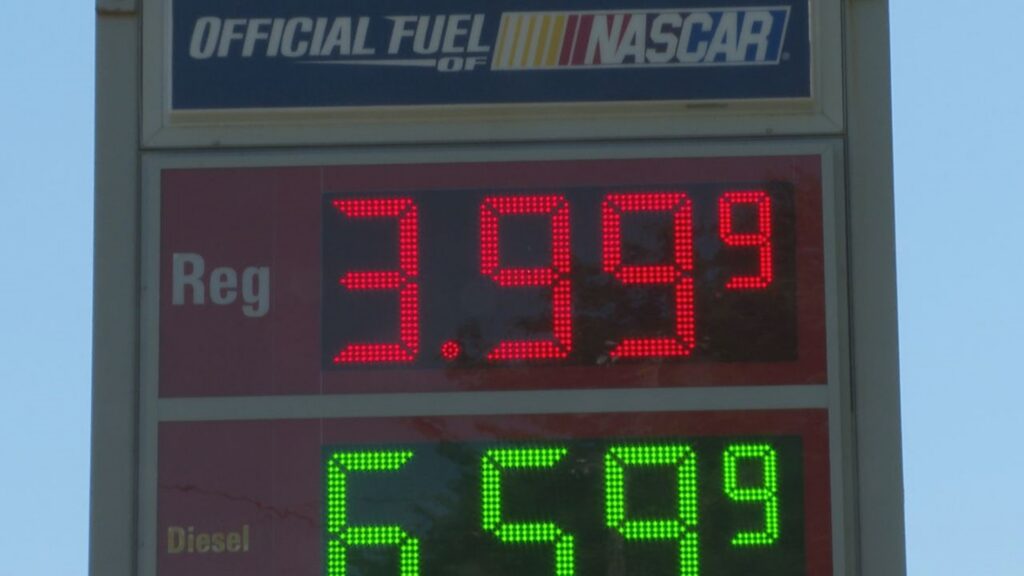
As gas prices climb, American families are feeling the pinch. Commuters, small businesses, and working households alike are being hit directly in their wallets, while distant military conflicts quietly drain federal funds. Ordinary Americans should not have to pay the price at the pump for wars abroad, including the escalating conflict in Iran.
The impact of high fuel prices goes beyond filling tanks. It affects grocery bills, utility costs, and transportation for work or school. It slows economic growth and squeezes already stretched family budgets. Yet, instead of protecting citizens from these rising costs, our government allows the burden to fall squarely on their shoulders.
There is a clear solution. The federal budget is massive, and not all of it is wisely spent. For decades, the United States has poured billions into foreign aid programs and international NGOs, some of which operate with minimal accountability or effectiveness. While supporting humanitarian efforts and development abroad is important, there is a stark difference between responsible aid and wasteful spending. By redirecting even a portion of these funds, the government could provide immediate relief to Americans at the pump.
This is not just a matter of economics—it is a matter of fairness. Americans should not be forced to subsidize the costs of war through higher gas prices while foreign spending balloons. Lower- and middle-income households feel the impact most acutely. Filling up a car should not come with the hidden surcharge of overseas conflict.
Policymakers have a choice: continue allowing Americans to pay for war indirectly, or prioritize domestic relief by reassessing foreign spending. Responsible governance means supporting international interests thoughtfully while ensuring that citizens are not financially punished for decisions beyond their control. Redirecting funds from wasteful aid programs to domestic relief sends a powerful message: the government values its own people first.
The moral argument is clear. Asking families to pay for military action through inflated fuel costs is unfair. It is an indirect tax on ordinary Americans who contribute to the global stage in countless ways yet have no influence over foreign conflicts. Instead, redirecting unnecessary international expenditures would provide relief where it is needed most—at home.
Reducing gas prices is achievable. It requires political will, fiscal responsibility, and a commitment to put citizens first. By targeting wasteful foreign aid and non-essential international spending, lawmakers can ease the financial burden of energy costs while still maintaining a measured and effective foreign policy. There is no reason to make ordinary Americans pay the price of war when funds exist elsewhere in the budget.
In short, gas prices should come down, and Americans should not be footing the bill for military conflict in Iran. Citizens work hard, pay taxes, and support their country in numerous ways—they deserve relief at the pump. Redirecting wasteful spending from foreign aid and unaccountable NGOs is a practical, fair, and immediate solution.
It’s time for policymakers to act. Bring gas prices down. Protect American families. Stop making citizens pay for wars that they did not vote to fight. Fiscal responsibility and fairness demand it, and the American people deserve nothing less.
By Karina Schmitt, Admin and Blog Contributor
Small price to pay now to make sure Iran doesn’t have a nuclear weapon that will kill millions of people down the road…
Most of our oil from Canada and Mexico. We produce more oil than any other country but mostly in the form of shale which our current refineries do not process into usable energy. Oil refineries are mostly for heavy crude oil. Cost of refineries are excessive and unaffordable currently.