
On February 2, 2026, at the We the People Club meeting, Ozzy Perez‘s, a United States Marine Corps veteran, story bridges both personal sacrifice and the broader struggle for political freedom. Perez shared his unique perspective shaped by his military service, his Cuban heritage, and his advocacy for those he calls America’s “political prisoners.”
Perez’s journey began long before he joined the Marines. Born to parents who endured years of imprisonment under the Cuban communist regime, he grew up with a deep appreciation for freedom. His father spent 12 years in Cuban prisons, enduring extreme conditions alongside fellow prisoners of conscience, while his mother and aunts also suffered long incarcerations for their beliefs. These experiences, Perez explained, instilled in him a sense of duty and patriotism that ultimately led him to enlist in the Marine Corps the day after 9/11.
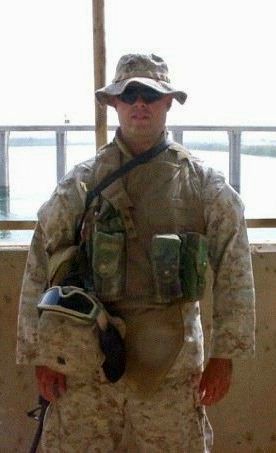
During his five years of service, Perez completed three tours in Iraq, including Fallujah and Haditha. Today, he runs two veteran organizations in Miami and continues to honor the values of freedom and service passed down from his parents. “It’s part of my DNA,” he said, reflecting on his lifelong commitment to patriotism.
Perez also drew parallels between political oppression in Cuba and the treatment of January 6th defendants in the United States. He described these individuals as “political prisoners” because they were arrested based on their beliefs rather than criminal actions. Many have faced extreme personal and professional challenges even after receiving pardons: difficulty finding employment, opening businesses, or accessing services like Airbnb due to their legal histories. Some have tragically committed suicide, highlighting the ongoing impact of what Perez calls a “raw deal” for these patriots.
He recounted the bureaucratic and systemic obstacles these individuals face, including overreach by law enforcement and selective justice. According to Perez, these challenges reveal deeper issues within the system, including political influence and manipulation behind the scenes. He emphasized the need for public awareness, advocacy, and support for those affected.
Perez concluded with a broader reflection on understanding global threats. Drawing on historical military strategy, he referenced Sun Tzu and stressed the importance of knowing one’s adversaries. He touched briefly on Islam, highlighting texts that, in his view, require careful examination to understand their radical interpretations. While brief, this point reinforced his overarching message: knowledge, awareness, and vigilance are essential to defending freedom.
In his talk, Ozzy Perez combined personal history, military service, and contemporary political issues to deliver a message that was both urgent and deeply human: freedom is fragile, and those who fight for it often pay a high price. His call to action was clear—stay informed, advocate for justice, and support those whose courage and patriotism deserve recognition.
Watch the entire speech Ozzy Perez delivered at our club meeting.